
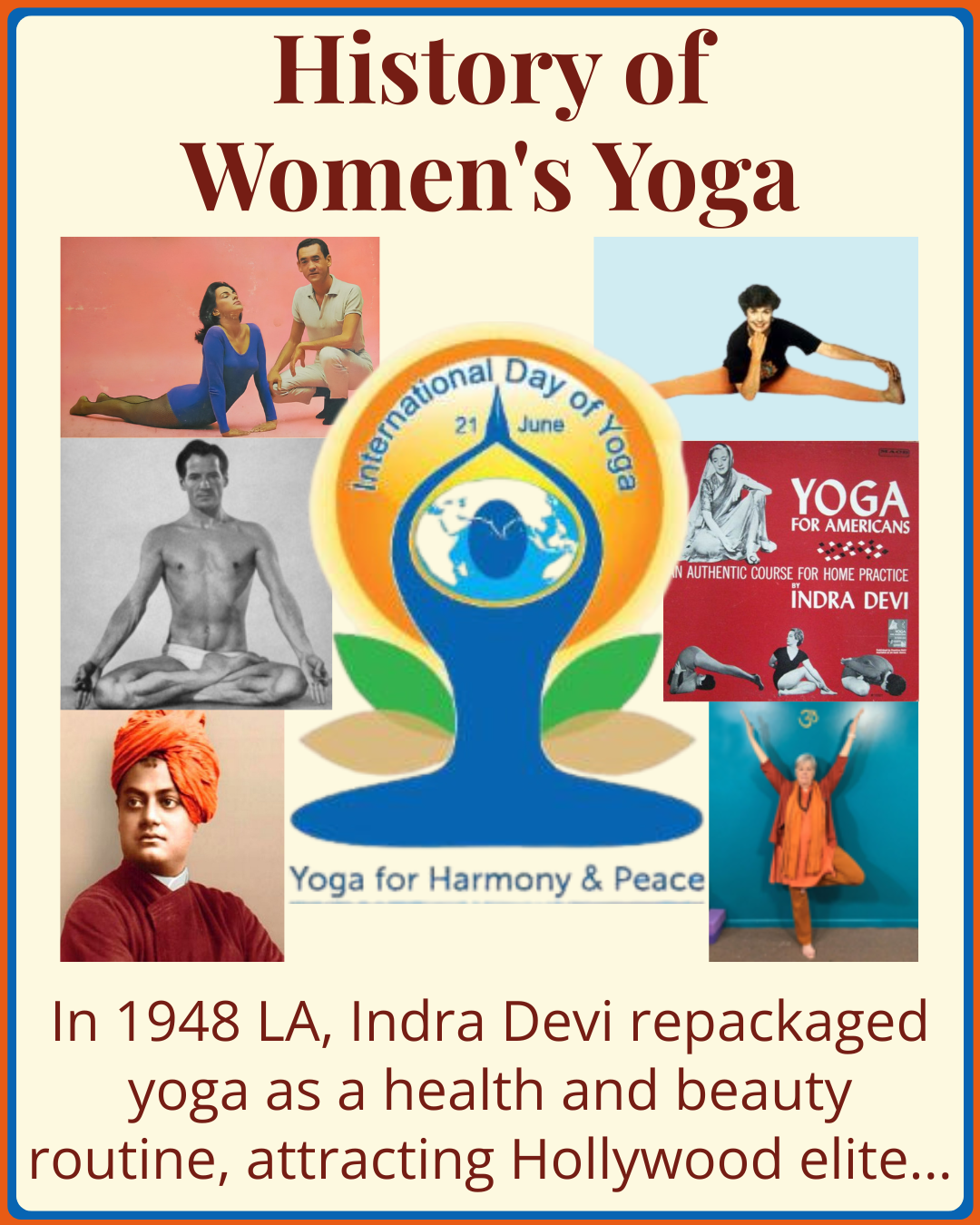
By Gurudevi Nirmalananda
Take a breath. And another one, slower. Now, one more…
This simple stress reduction technique comes from yoga. Along with the “Relaxation Response,” these methodologies were mainstreamed in the 1950’s to 1970’s.
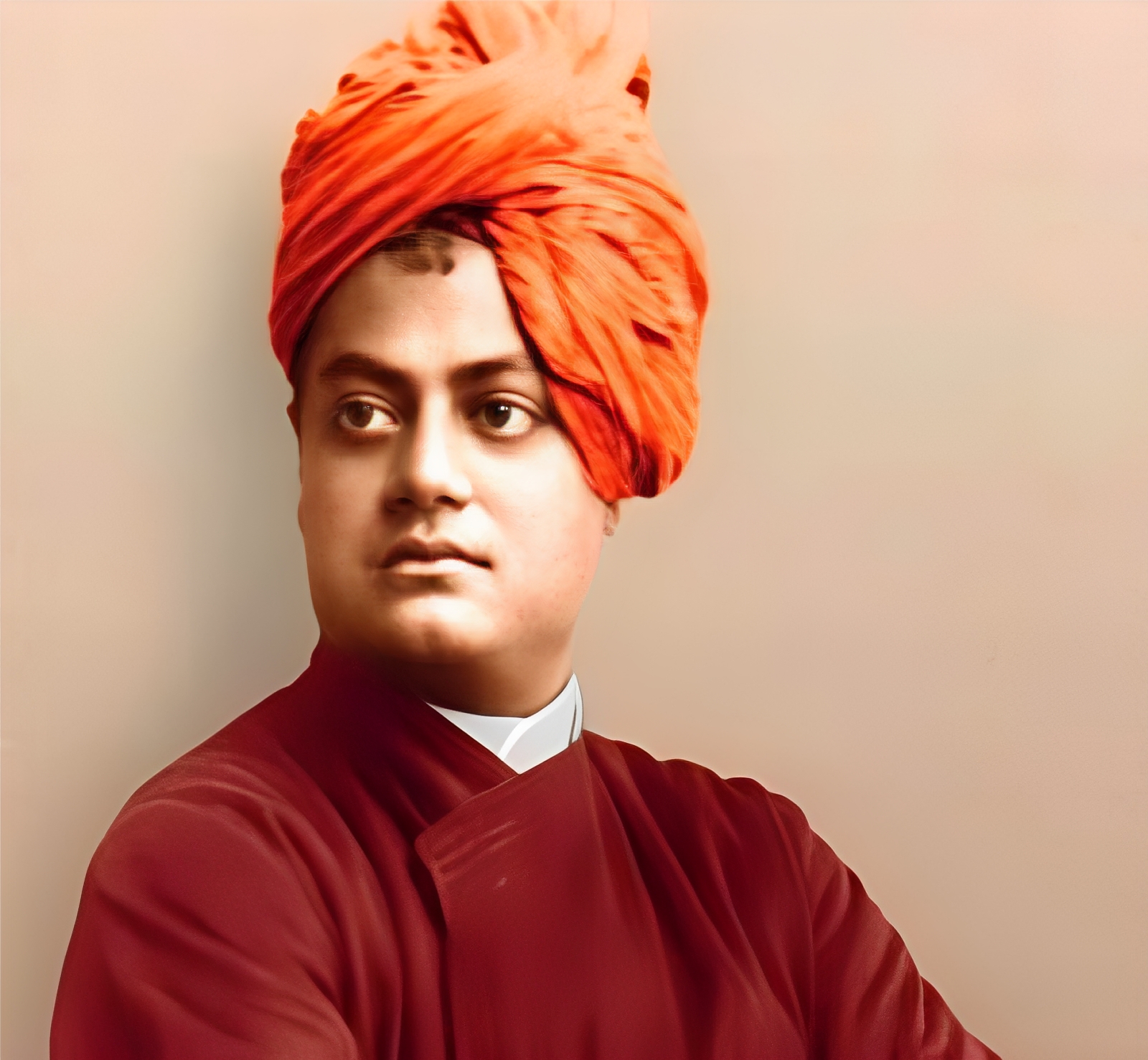
Yoga poses were first taught in America by Swami Vivekananda in the 1890’s. While his focus was meditation and yoga philosophy, he taught poses in some of his week-long retreats. Most of the participants were wealthy women who had servants who could take care of their household while they were gone.
In the 1930’s, the cosmetics mogul Elizabeth Arden opened a women’s spa in Maine. Along with beauty techniques, the guests learned yoga poses from teachers that Arden brought from India. They took yoga home with them, along with their new creams and cosmetics.
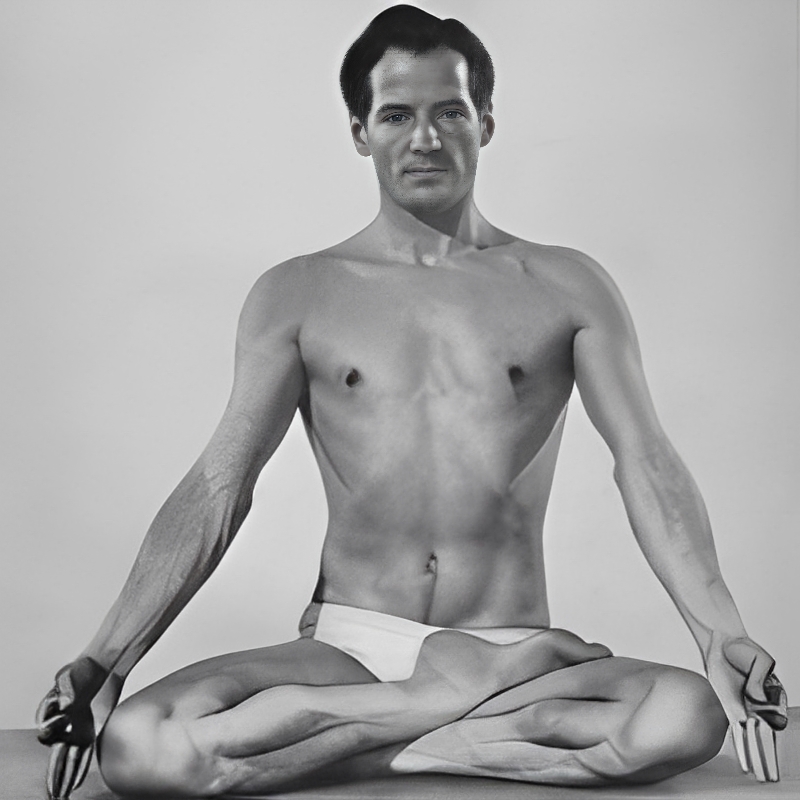
Theos Bernard made his first trip to India in 1936. On his return, he taught yoga to New York socialites. Many years later, I met one of Theos’ students. In her 70s by then, she shared a 16mm movie of her doing extreme yoga poses from her studies with him. It was impressive, but not user-friendly.
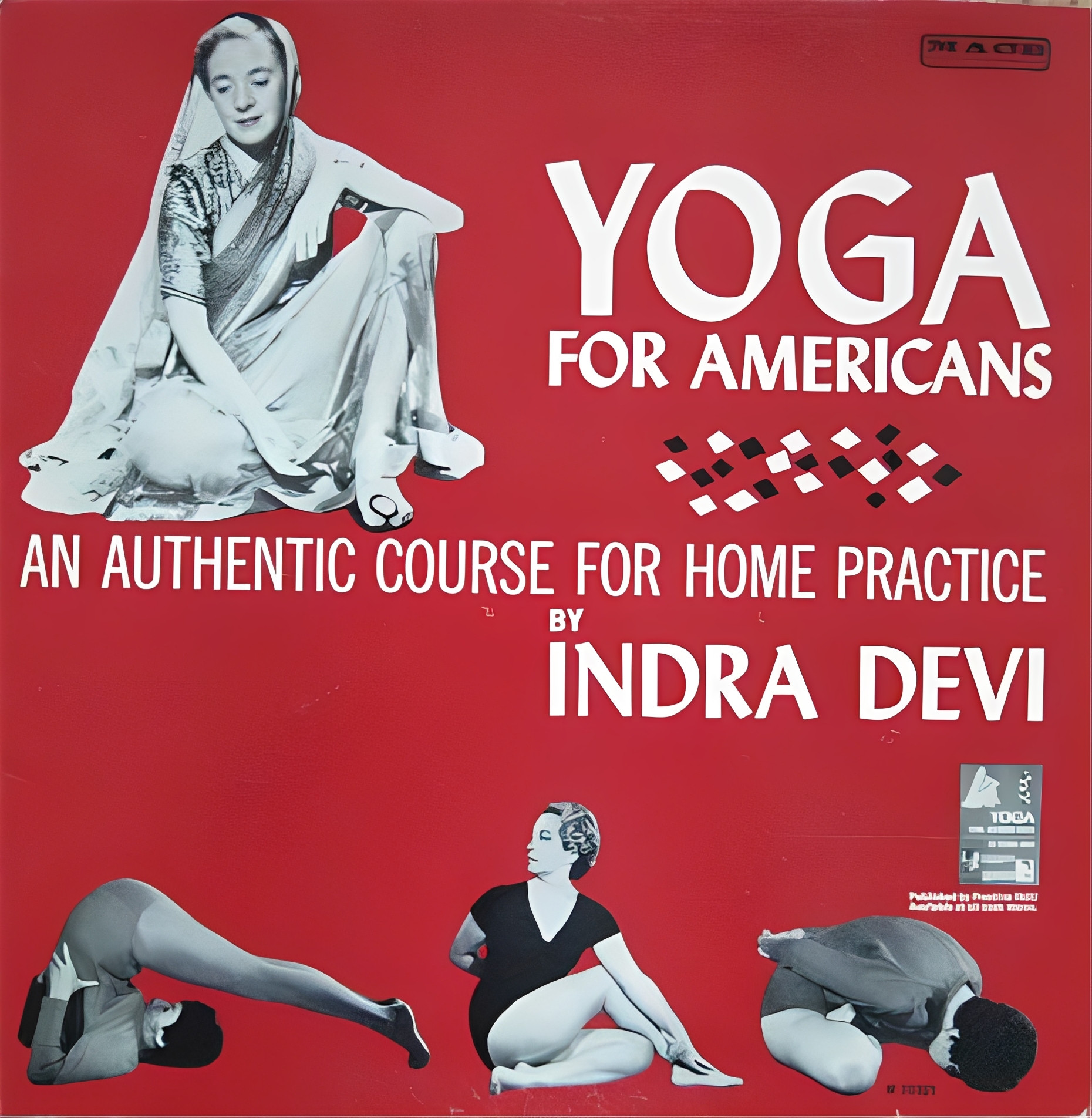
Indra Devi began teaching yoga in Los Angeles in 1948, where she relocated from India. She repackaged yoga as a relaxing health and beauty routine, which attracted Hollywood elite. She had been a famous actress in India, so she understood that world very well.
By the time I got interested, Richard Hittleman was teaching on television, with women demonstrating the poses as he gave instruction. He included tidbits of yoga philosophy in his shows. His books included meditation. His shows were on daytime TV in the USA, so the viewers were mainly women.
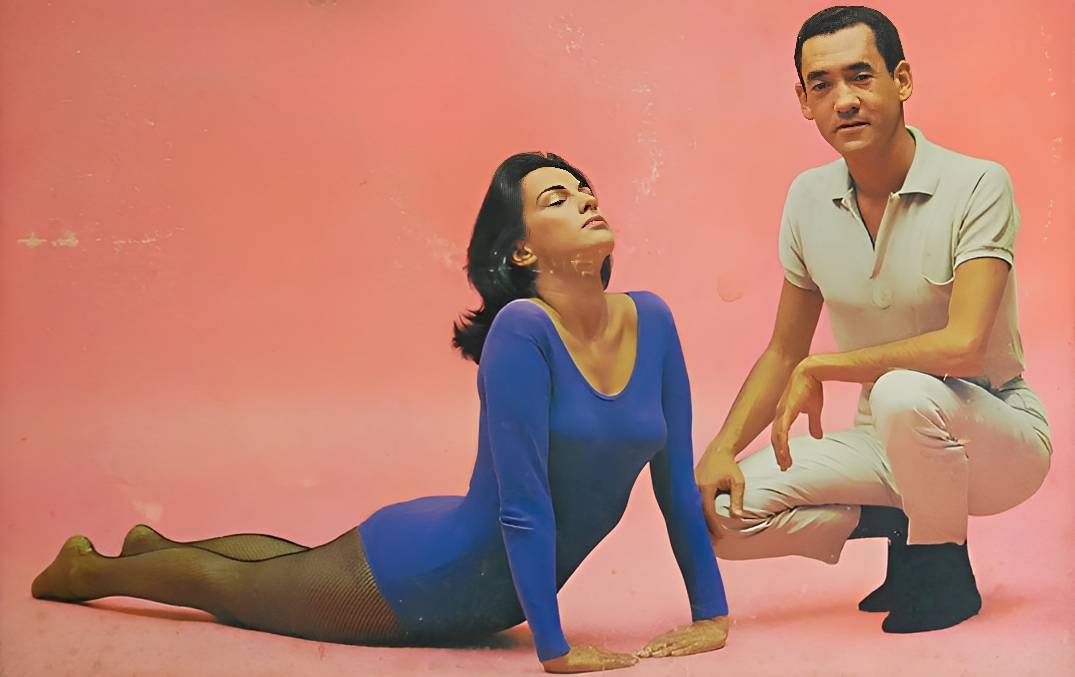
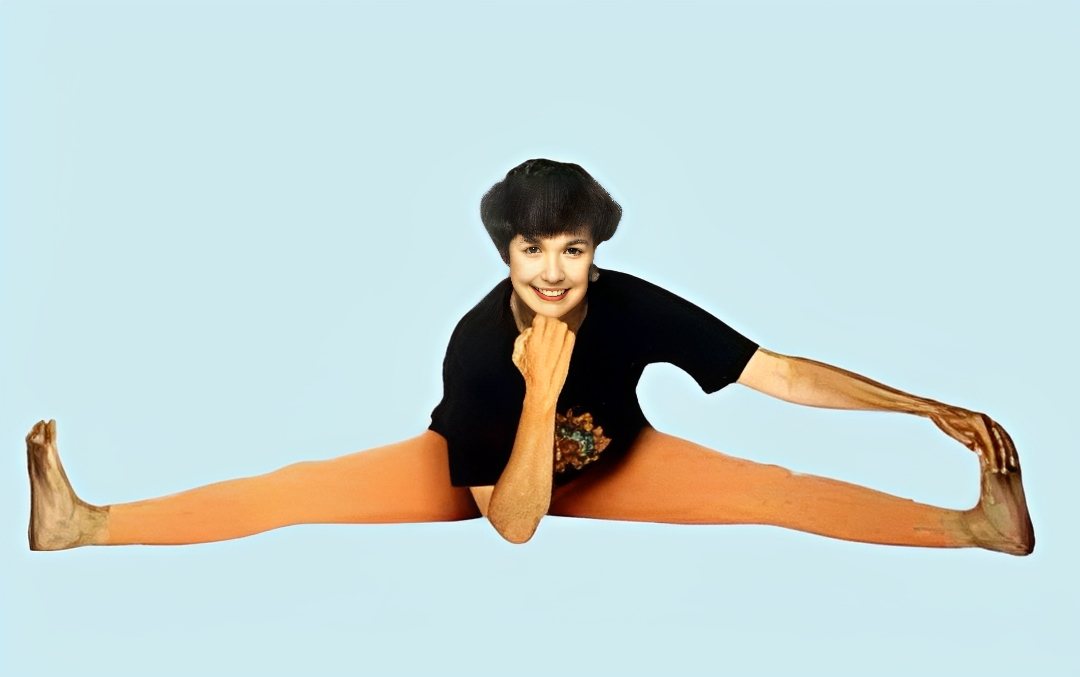
Lilias Folan’s TV classes began in 1970, again showing on daytime TV. She demonstrated the poses herself while teaching, making them seem very accessible. Every women’s magazine featured yoga poses — for decades.
My first in-person yoga class was in 1975, with a teacher trained by Indra Devi. She taught at my local Parks & Recreation Department as well as in her own home. By then, every California suburb had a yoga teacher offering classes in her home. Soon I was one of them.
While meditation was an undercurrent in all these classes, it got lost as yoga moved into the athletic clubs in the 1990’s. It began to attract more men, though it is still over 70% women in America. Athletic and aerobic yoga styles grew exponentially, overshadowing the slower and meditative approach originated by the ancient sages.

From 1997-2002, I helped with the founding of Yoga Alliance, setting Teacher Training standards that included the historic roots and philosophy.
The therapeutic approach was pioneered by Michael Lee with Phoenix Rising Yoga Therapy. Within Svaroopa® yoga, I introduced yoga therapeutics in 2000, with a growing concentration of classes in this area since then.
In 2014, the United Nations established International Day of Yoga by a rare unanimous vote. The resolution notes “the importance of individuals and populations making healthier choices and following lifestyle patterns that foster good health.”
The Prime Minister of India, Narendra Modi, spoke to the cosmic perspective of the ancient sages. “Yoga is an invaluable gift from our ancient tradition. Yoga embodies unity of mind and body, thought and action… Yoga is not just about exercise; it is a way to discover the sense of oneness with yourself, the world and the nature.”
We are the beneficiaries of many generations of Western yoga teachers, making this time-honored tradition accessible today. The rich diversity of yoga styles means you can find your niche, whether it is therapeutics or a gymnastic approach. At Downingtown Yoga, we focus on therapeutics as well as the meditative practices.
Please join us for this 12th International Day of Yoga. We will honor the occasion at our Sunday meditation program:
Swami Sunday (On-Site or Online)
Led by Gurudevi Nirmalananda
June 21 from 10:00 – 11:30 am
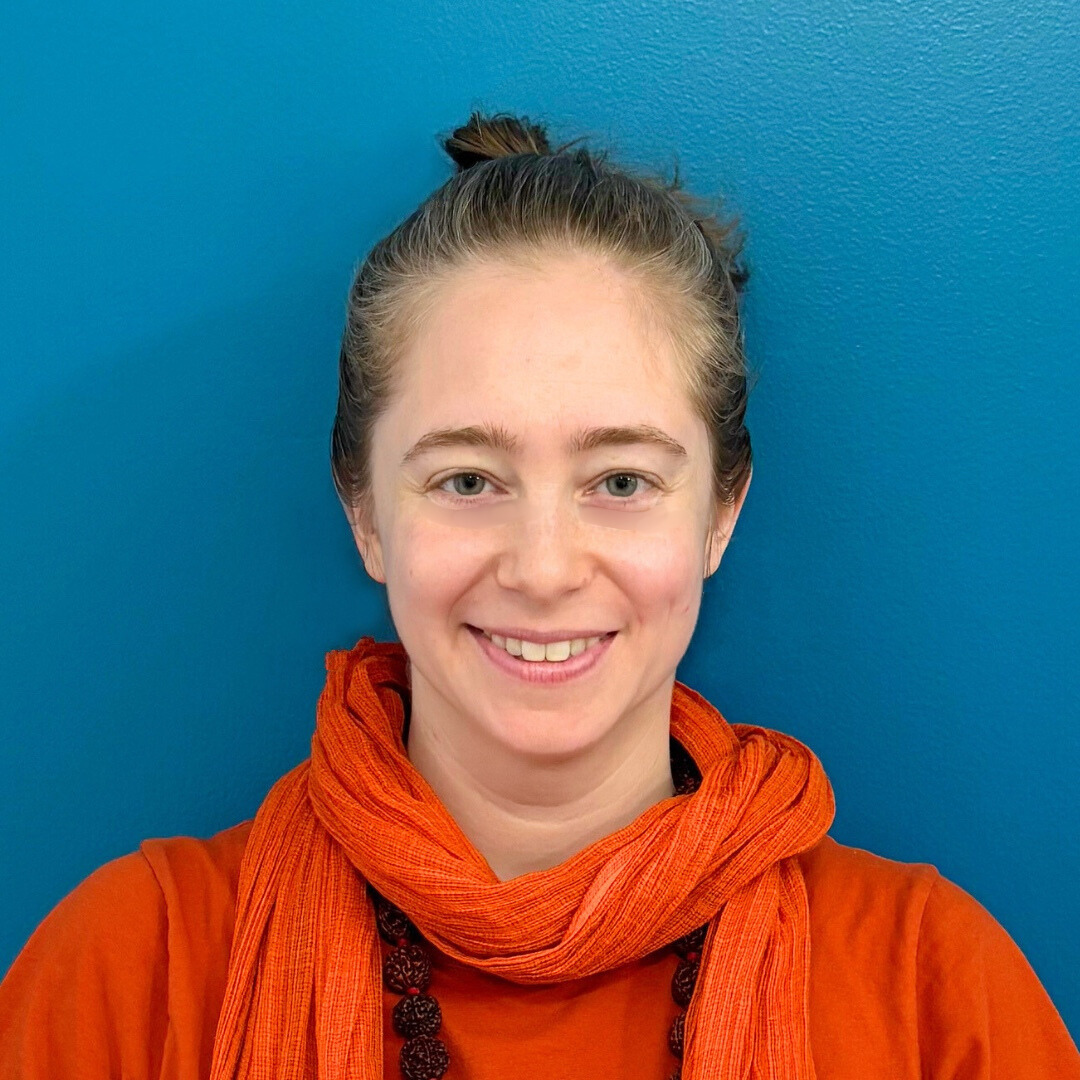
And you can do more yoga on Yoga Day by coming to our afternoon class:
Yoga & Meditation Class (Online)
With Swami Prajñananda
June 21 from 4:00 – 6:00 pm (Eastern Time)
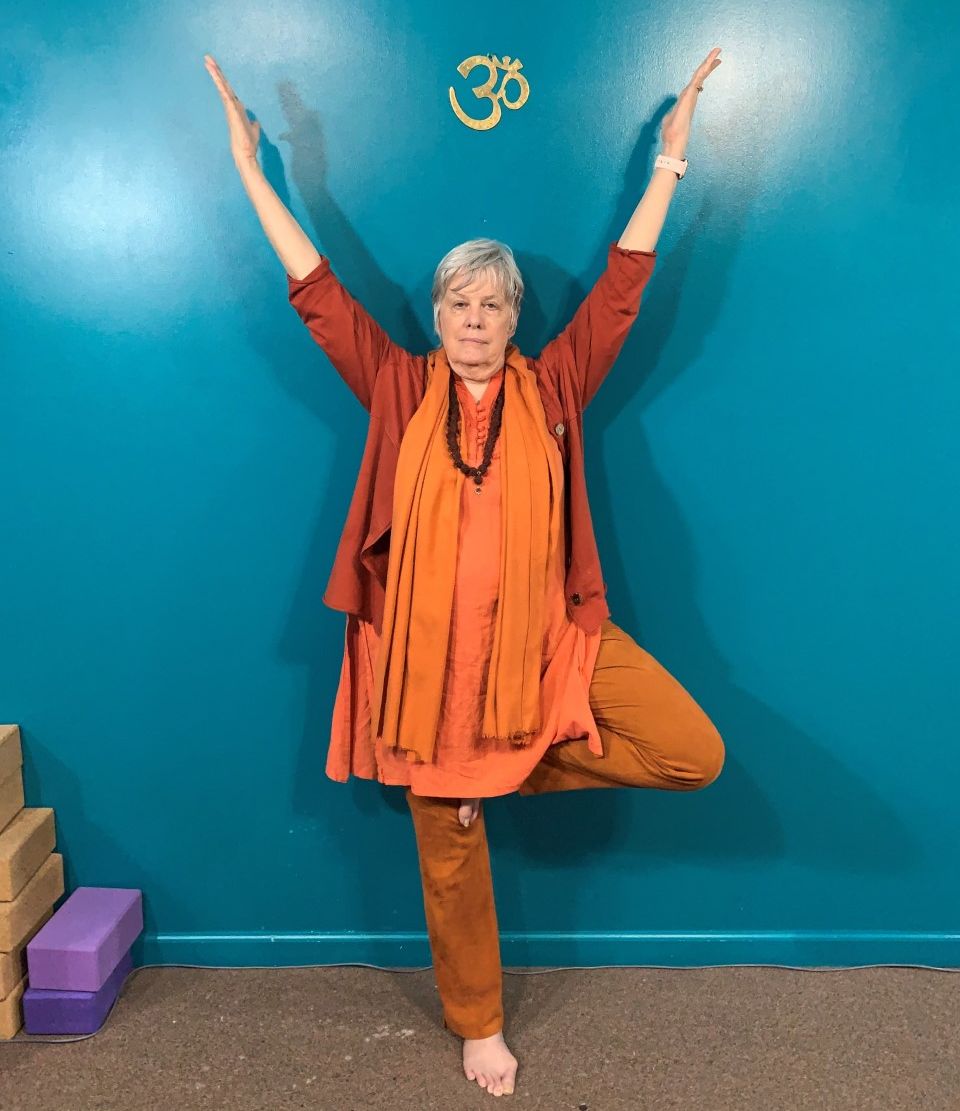
I feel fortunate to have watched yoga’s seeds bloom in America. Many of the events and teachers I have described are significant parts of my life story, for which I am very grateful.
Yoga keeps me healthy and happy, even as I complete my 80th year of life. Beyond mere happiness, I delight in yoga’s deep roots and spiritual heritage, which can be accessed by turning inward. One way to begin is by taking a slow deep breath…


Thank you for this look back on yoga in the west. Without Svaroopa yoga and meditation I would not be enjoying such good health in my 80s.
Thank you for your testament to the important and beneficial effects of Svaroopa yoga and meditation on your health!
If it were not for you, Gurudevi, and the women before you, I would not have believed being a yoga teacher was possible. Thank you for all you are, and all you do.
I live in gratitude to those who have showed me the way, and I love to give their gift to you.
Thank you for this view through time of the women pioneers of yoga in the west. Thank your for being one of those pioneers. I am full of gratitude to you for the yoga and grace that you share so abundantly.
Thank you for being in the lineage!